
Every new session, school resumption comes with plenty to look forward to: new classes, familiar friends and another opportunity for your child to learn and grow. For parents, however, the excitement often arrives with a long list of expenses.
There are school fees to pay, uniforms to replace, new books to buy and transport arrangements to make. Just when you think you have covered everything, another message appears on the school’s WhatsApp group announcing an additional requirement.
Meanwhile, rent, food, electricity and other household bills never took a holiday.
Managing back-to-school costs is not simply about spending less. It is about understanding what needs to be paid, deciding what can wait and matching your commitments to the money you actually have. Here is how to approach the new term with a clearer plan.
1. Look Beyond the School Fees Invoice
When planning for resumption, it is easy to treat tuition as the entire education budget. But paying school fees is only one part of getting a child ready for the term.
Your back-to-school budget should also cover uniforms, boarding fees, footwear, textbooks, stationery, transport and meals. Depending on your child’s school, there may be compulsory charges for activities, technology or other services.
Ask the school for a complete breakdown of expected payments and their deadlines. Confirm which items are compulsory, which are optional and which must be purchased directly from the school.
Then separate expenses into what you need before resumption and what you will pay throughout the term. A school bag may be a one-off purchase, but transport and lunch will keep drawing from your income every week. So it’s wise to plan for it, ahead.
The goal is to avoid paying the biggest bill and discovering that you have nothing left for the smaller, recurring ones.

2. What to Do When School Resumes Before Your Salary Arrives
Sometimes, the challenge is not whether you earn enough to pay school fees. It is that the school’s payment deadline and your payday do not line up.
If school resumes on the 9th and your salary arrives on the 25th, that gap needs a plan.
Speak to the school before the deadline
Contact the school’s accounts office as soon as you recognise the shortfall. Ask whether an extension or instalment arrangement is available and explain when you realistically expect to pay.
Be specific about what you can afford now and when you can settle the balance. If an arrangement is approved, obtain written confirmation of the payment dates, any additional charges and whether your child can attend classes while the balance remains outstanding.
Do not assume that a part-payment automatically permits resumption.
Work out the exact amount you are short
Compare the amount due before payday with the money available after protecting essential household expenses.
For example, if ₦600,000 is due and you can safely provide ₦250,000, the immediate gap is ₦350,000. That is the figure to address, not the entire invoice.
A calendar showing income dates alongside payment deadlines can make these timing problems easier to spot. The Consumer Financial Protection Bureau’s bill-calendar guide explains this approach.
Consider support carefully
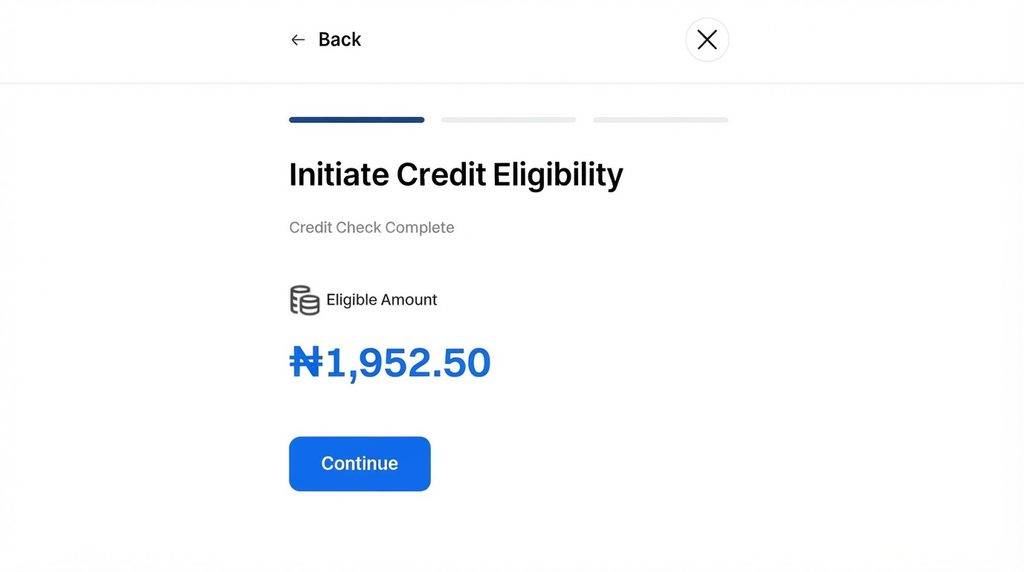
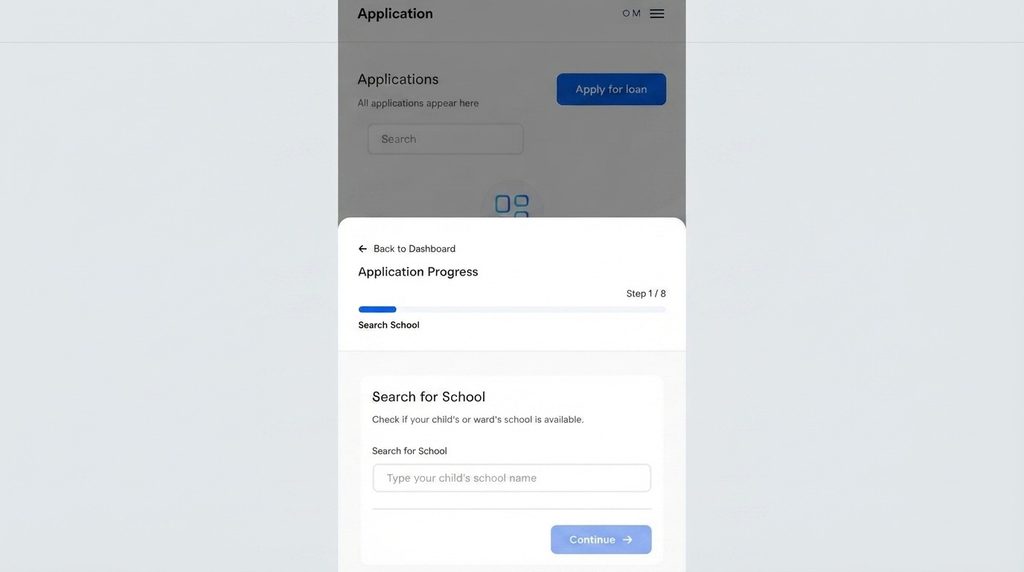
Depending on what is available, you could explore an employer salary advance, an agreed school payment plan or education financing.
Before accepting credit, check the total repayment amount, all fees, repayment dates and the consequences of late payment. Also confirm when funds would become available; an application is not the same as an approved, disbursed loan.
Most importantly, calculate what will remain from your salary after each repayment. A solution that pays school fees today but leaves you unable to buy food or get to work next month may create another crisis.
If your income repeatedly falls short of your essential expenses, the problem goes beyond payday timing. It calls for a broader review of your household commitments.
3. School Fees vs Rent, Food and Other Bills: How to Plan Your Household Budget
Your child’s education matters, but so do the home they live in, the food they eat and the transport that gets the family to school and work.
A workable household budget needs to account for all of these together.
Start with dependable income
Build your budget around your take-home salary and other income you can reasonably rely on. Avoid making firm payment promises based on an expected bonus, an unconfirmed transfer or a business payment that may arrive late.
If your earnings fluctuate, use a cautious estimate based on recent lower-income months.
Separate monthly spending from larger periodic bills
Food, transport and electricity may require regular payments, while rent and school fees may fall due annually or termly.
Those larger bills still need a place in your monthly budget.
For illustration, annual rent of ₦1,200,000 would require setting aside ₦100,000 each month over 12 months. If the next school payment is ₦240,000 and you have four paydays before it is due, the savings target would be ₦60,000 per payday, assuming nothing has already been saved.
These are illustrative figures, not recommended spending levels. Your own targets should reflect your actual bills, existing savings and time remaining. Platforms like Cowrywise, PiggyVest are very helpful for this.
Check whether the plan genuinely fits
Add up essential household spending, provision for rent and education, existing debt repayments and a reasonable allowance for unexpected expenses.
If the total exceeds dependable income, the budget needs adjustment. Writing down an amount you cannot consistently set aside does not make the plan workable.
Start by reducing optional purchases and subscriptions. Where the gap remains, discuss payment arrangements early and review larger recurring commitments. Avoid relying on repeated borrowing to cover a shortfall that happens every month.
Give each expense a place
You can use separate accounts, savings pockets, envelopes or a simple spreadsheet to distinguish money for rent, school costs and everyday spending.
The method matters less than being able to see what is available—and what has already been committed.

4. Buy What Your Child Needs, Not Everything New
Before shopping, check what you already have.
Do the uniforms still fit? Can the school bag be washed or repaired? Are there unused notebooks or stationery from the previous term?
A new school term does not have to mean replacing every item.
Use the school’s confirmed list to guide purchases, especially for textbooks. Check the title and edition before buying, and confirm whether siblings can reuse older copies. Workbooks that have already been completed may not be suitable.
Where the school permits it, compare prices across sellers and consider shared bulk purchases with other parents. However, a discount is only useful if you genuinely need the item and the purchase does not consume money meant for essentials.
5. Plan for the Weeks After Resumption
Getting through the first day is important, but the budget must last beyond it.
Estimate weekly transport, lunch and other regular school expenses. Multiply these by the relevant number of school days or weeks, allowing for holidays where necessary.
Where practical, planning meals and preparing lunches at home may help you manage spending. Compare the full costs and reliability of transport options rather than looking only at the advertised fare.
If your budget allows, keep a small amount aside for unexpected school needs. Even a modest buffer can reduce the disruption caused by a lost water bottle, damaged shoe or required replacement item.

6. Involve Your Child Without Passing on the Pressure
Children can learn that a budget involves choices without being made responsible for the family’s financial worries.
Instead of saying, “Your school is taking all our money,” try explaining, “We are buying the things you need first. Your bag still works, so we will keep using it.”
Let children help check their supplies, care for their belongings and distinguish between needs and wants.
The aim is to teach responsibility while reassuring them that the adults are handling the finances.
7. Start Preparing for the Next Term
Once the immediate resumption expenses are settled, record what you actually spent. Include the smaller purchases, not just tuition.
Use that total as a starting point for the next term, then update it when the school confirms new charges. Divide the amount you still need by the number of paydays available before the deadline.
If that savings target is too high, identifying the gap early gives you more time to explore adjustments and speak with the school.
Final Thoughts: Preparation Over Perfection
There is no prize for buying everything new or pretending that school expenses are easy to manage.
A more sustainable approach is to know your full costs, protect household essentials, communicate early and make payment commitments you can realistically keep.
When resumption arrives before payday, focus on solving the timing gap without creating an unmanageable repayment burden. When school fees compete with rent and food, plan for the whole household, not one bill in isolation.
Your child needs school supplies and paid fees, but they also need a stable home and a supported parent. A good back-to-school plan makes room for all three.
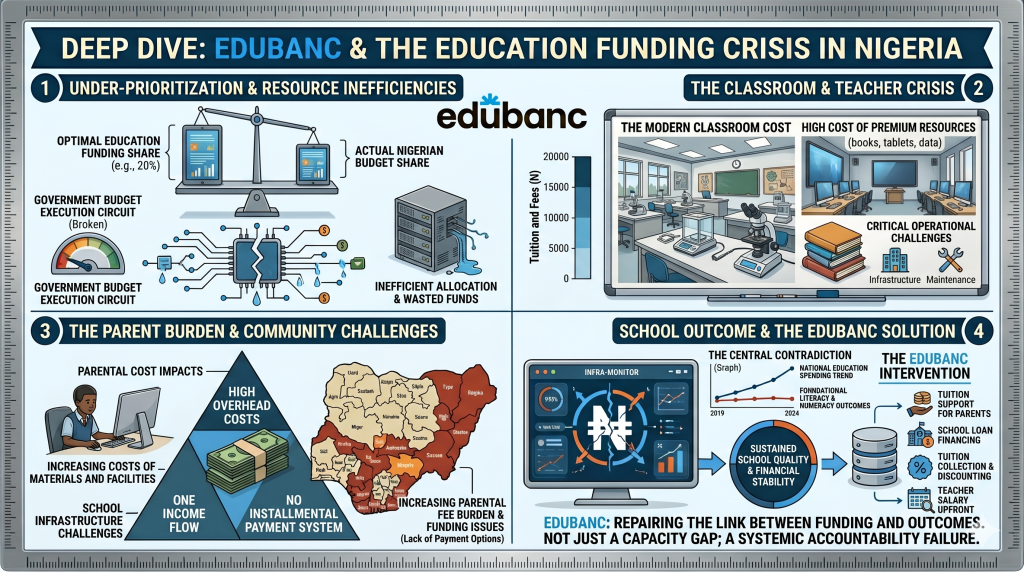
With Edubanc
you and your family don’t have to take all the burden.