
Category: Parent & Schools

  • How Edpay Works: Step-by-Step Guide for Parents

    How Edpay Works: Step-by-Step Guide for Parents

    For many parents, paying school fees can be one of the biggest financial challenges of the academic year. Rising tuition costs, multiple household expenses, and unexpected emergencies can make it difficult to pay large school fees upfront.

    That’s where EdPay by Edubanc comes in.

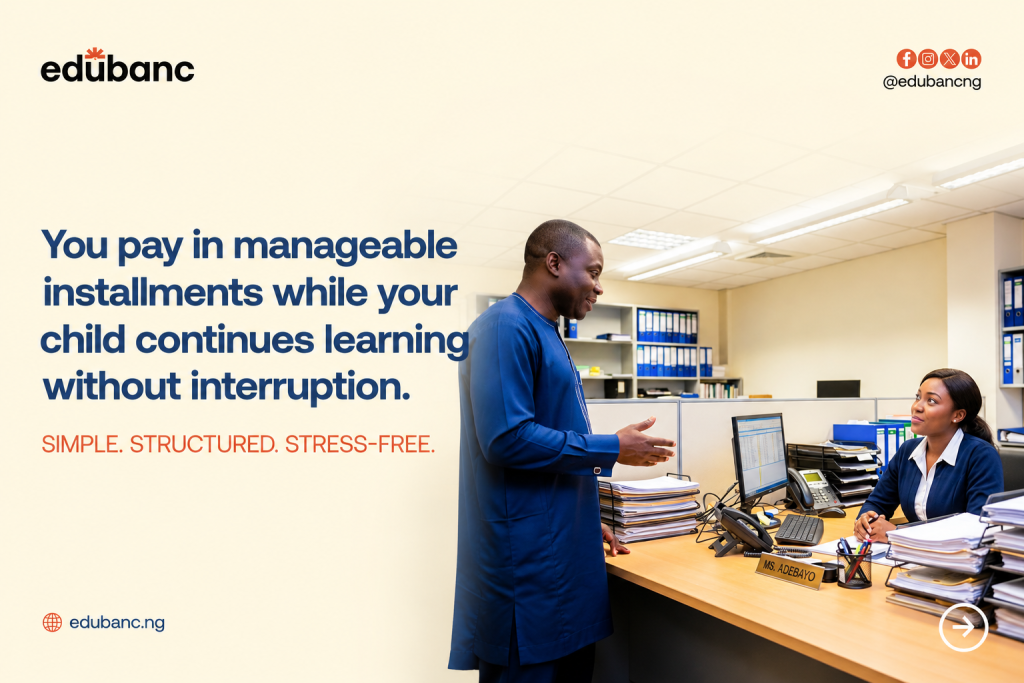
    EdPay is designed to help parents spread school fee payments into affordable installments, reducing financial pressure while ensuring children continue their education without interruption.

    In this guide, we’ll explain exactly how EdPay works and how parents can get started.

    What Is EdPay?

    EdPay  is a flexible school fee financing solution powered by Edubanc that enables parents to pay school fees over time instead of making a single lump-sum payment.

    Rather than worrying about meeting tuition deadlines with one large payment, parents can access a structured repayment plan that fits their budget.

    The goal is simple: make quality education more accessible and affordable for families.

    Why Parents Need Flexible School Fee Payments

    School fees often come at the same time as other major financial responsibilities such as:

    • Rent
    • Utility bills
    • Transportation costs
    • Food and household expenses
    • Medical bills

    When all these expenses compete for attention, paying school fees can become overwhelming.

    EdPay helps bridge this gap by giving parents greater financial flexibility and peace of mind.

    How EdPay Works (Step-by-Step)

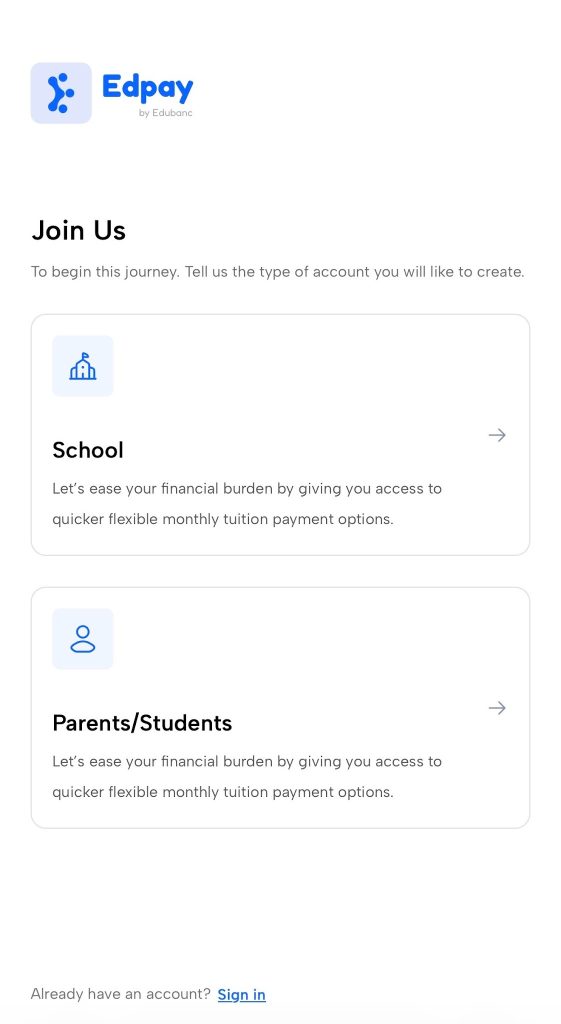
    Step 1: Create an Edpay Account

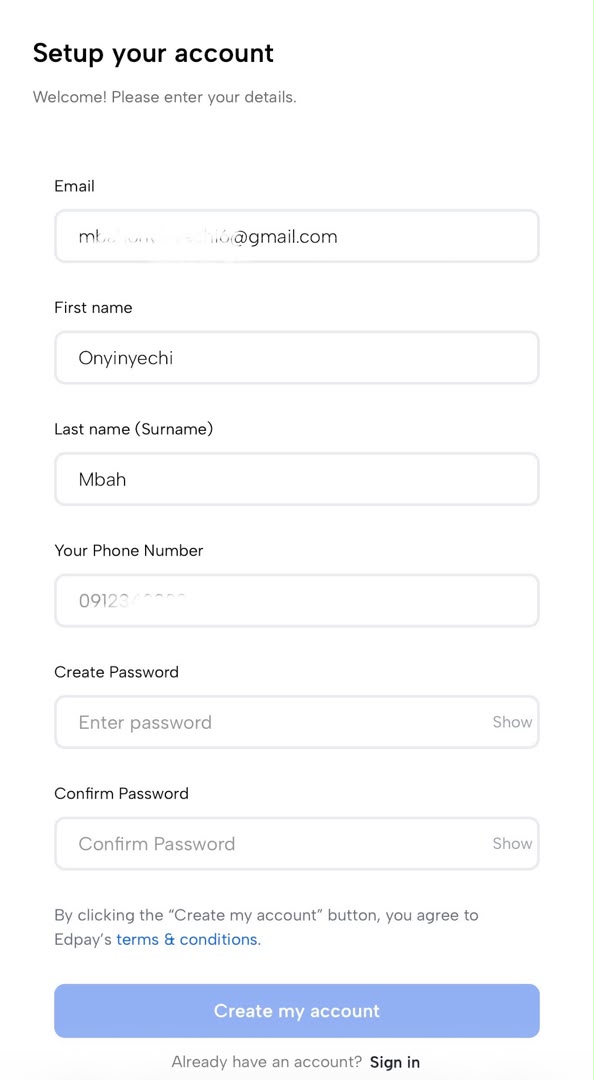
    The first step is to register on the Edpay platform.

    You’ll need to provide basic information such as:

    • Full name
    • Email address
    • Phone number
    • Identification detail
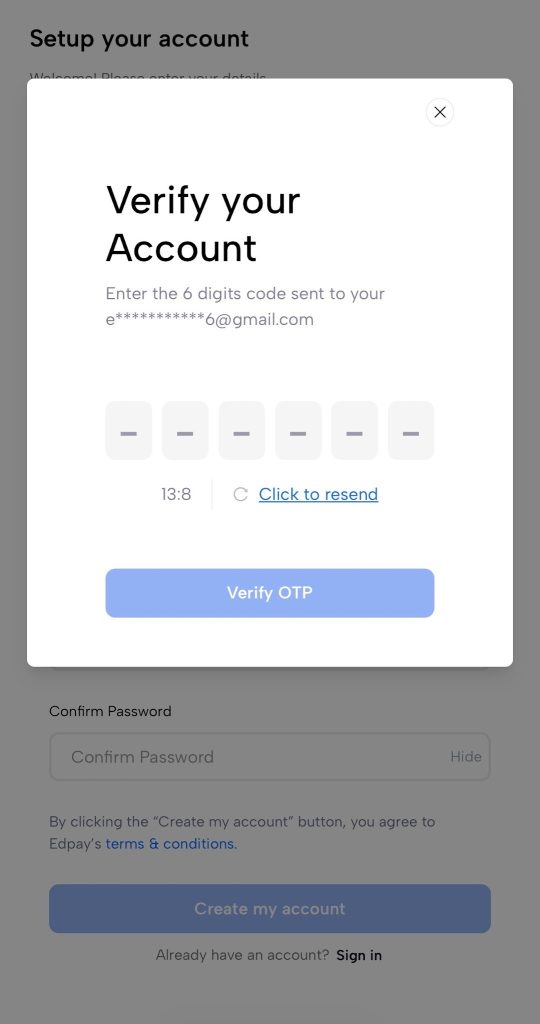
    Account Setup

    A verification code would be sent to your email upon creation 

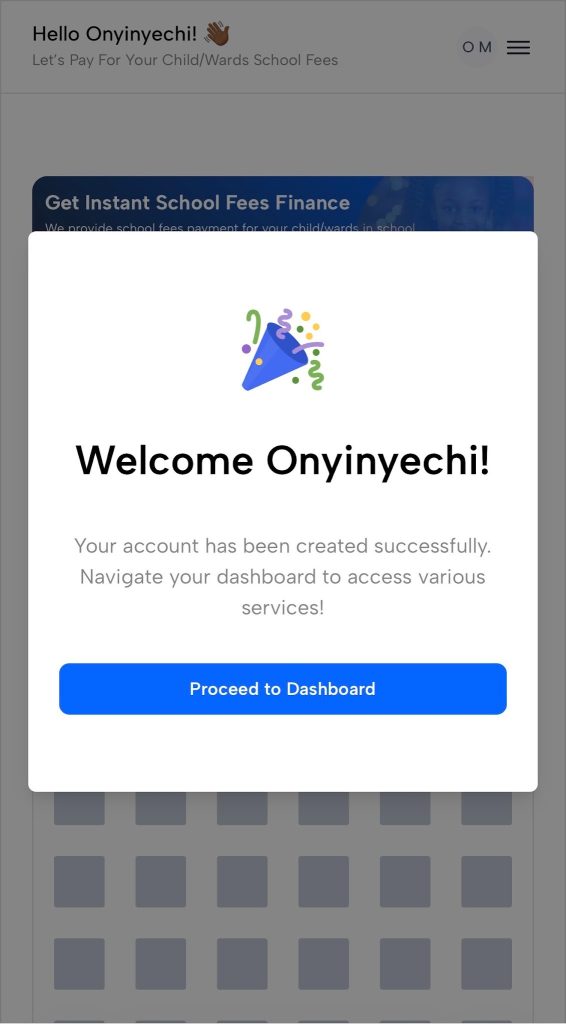
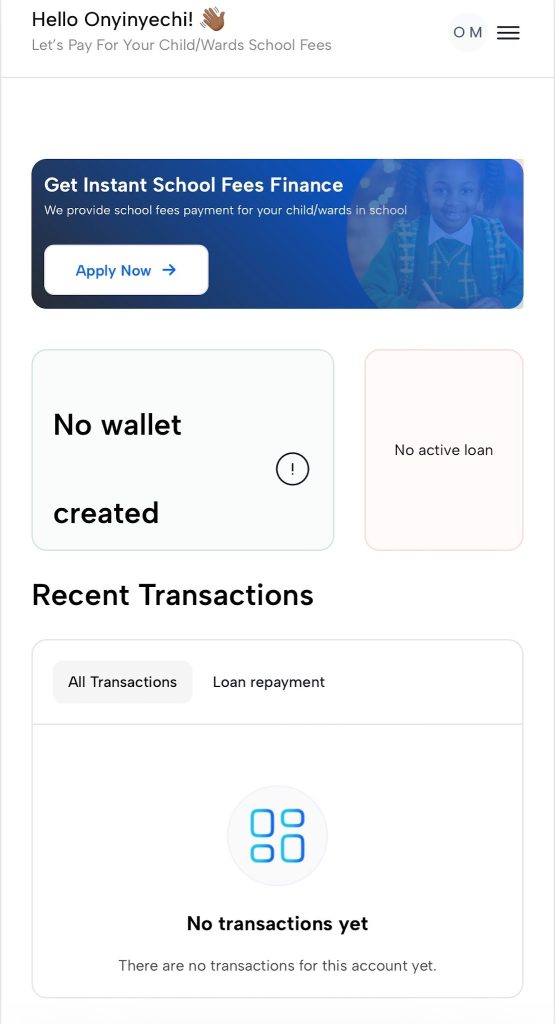
    Once your account is created, you’ll gain access to your personalized dashboard.

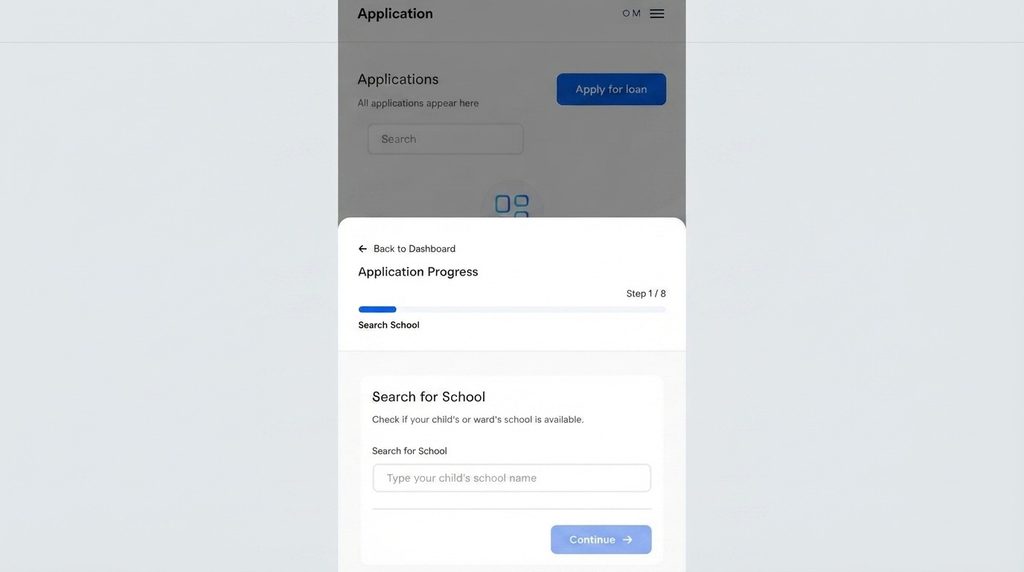
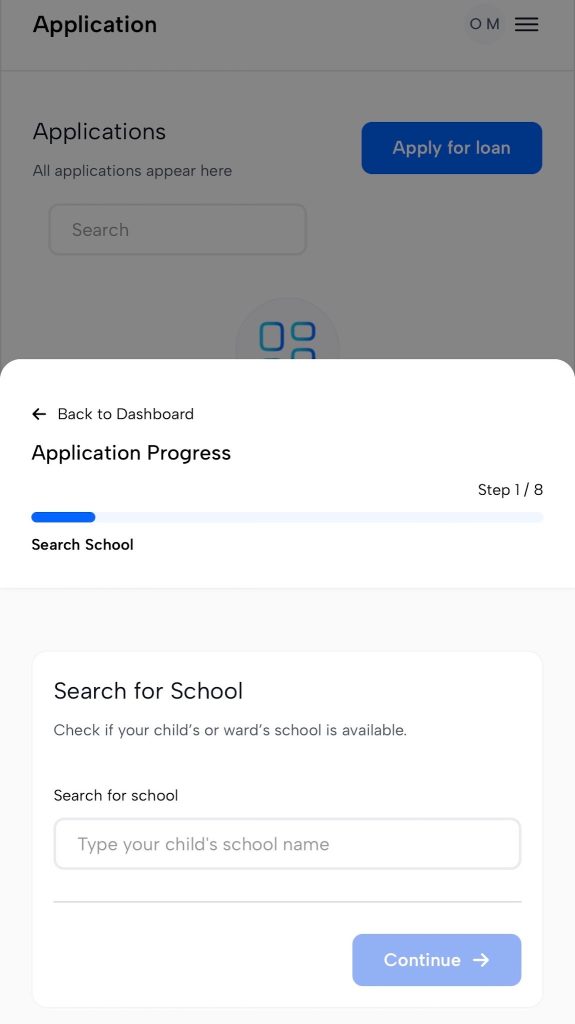
    Step 2: Add Your Child’s School Information

    After registration, provide your child’s academic details, including:

    • School name
    • Student name
    • Class or grade level
    • School fee amount

    This information helps Edubanc process your financing request efficiently. If you can’t find your school in our platform, there’s an option to put in the school’s details, so we can reach out. 

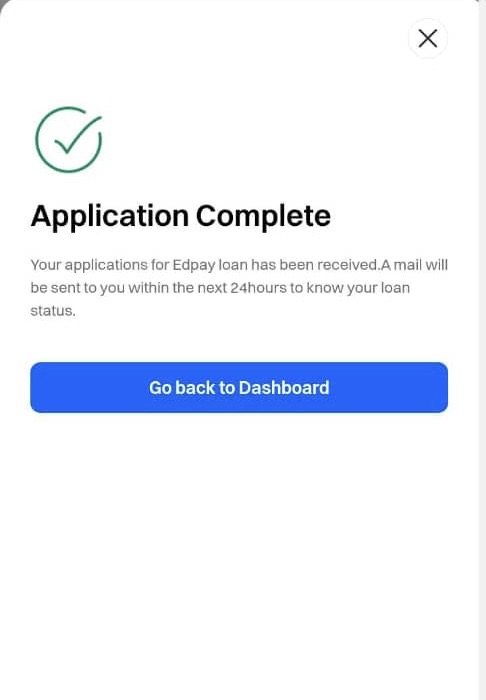
    Step 3: Apply for tuition financing on EdPay

    Next, submit your application for school fee financing through the platform.

    The process is designed to be simple, fast, and entirely digital.

    You may be asked to provide supporting documents to verify your information.

    Step 4: Application Review and Approval

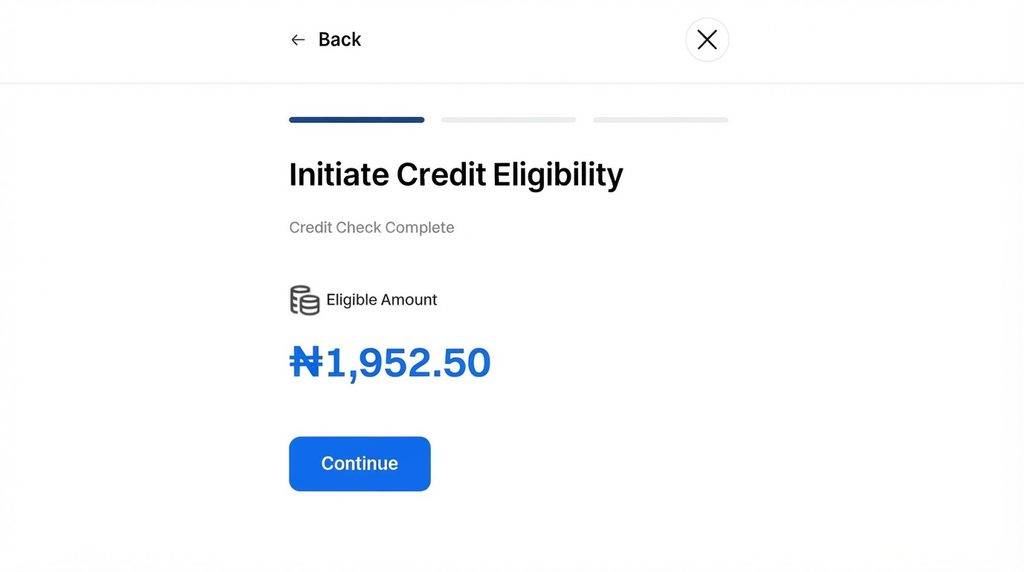
    Once your application is submitted, Edubanc reviews your information to determine eligibility.

    During this stage, factors such as:

    • Personal Verification details
    • Financial information
    • Credibility Check
    • Application completion may be assessed.
    • If approved, you’ll receive details of your repayment plan.

    Step 5: School Fees Are Paid

    After approval, Edubanc pays the approved school fees directly to your child’s school.

    This allows your child to continue attending classes while you repay according to your agreed schedule.

    Step 6: Repay in Convenient Installments

    Instead of making one large payment, you’ll repay the financed amount in smaller, manageable installments.

    Through your Edubanc dashboard, you can:

    • Track repayments
    • View payment schedules
    • Monitor outstanding balances
    • Stay informed about upcoming payments

    Benefits of Using EdPay

    1. Affordable Monthly Payments

    Break down large school fees into smaller payments that are easier to manage.

    2. Reduced Financial Stress

    Avoid the pressure of sourcing a large amount of money before every school term.

    3. Quick Application Process

    The application process is streamlined to save parents time and effort.

    4. Continuous Learning for Children

    Ensure your child remains focused on learning without disruptions caused by unpaid school fees.

    5. Better Financial Planning

    Flexible payment schedules make it easier to manage household finances while investing in your child’s education.

    Tips for a Successful EdPay Application

    To improve your experience:

    • Apply before school fee deadlines.
    • Ensure all information submitted is accurate.
    • Upload required documents promptly.
    • Monitor your repayment schedule regularly.
    • Contact support if you need assistance.

    Why Families Trust Edubanc

    Edubanc is committed to helping families access quality education through innovative financial solutions.

    By combining technology with flexible financing, Edubanc empowers parents to make educational investments without unnecessary financial strain

    Frequently Asked Questions (FAQs)

    What is EdPay?

    EdPay is a school fee financing solution that allows parents to pay tuition fees in installments instead of making a full upfront payment.

    Who can apply for EdPay?

    Parents and guardians seeking flexible payment options for school fees can apply, subject to eligibility requirements.

    How long does the application process take?

    Application typically can be done in a day. However, disbursement timelines may vary depending on verification requirements and documentation submitted. 

    Does EdPay pay the school directly?

    Yes. Once approved, Edubanc pays the approved school fees directly to the school. If your child’s school is not partnered with Edubac, we can always reach out on your behalf. 

    Can I track my repayments?

    Yes. Parents can monitor payment schedules, repayment history, and outstanding balances through their Edubanc dashboard.

    Why should I use EdPay?

    EdPay helps reduce financial pressure, improves budgeting, and ensures children can continue their education without interruptions.

    Final Thoughts

    Education is one of the most important investments parents make for their children. However, managing school fees shouldn’t create unnecessary stress.

    With EdPay, parents gain access to a smarter and more flexible way to finance education. By spreading school fees into manageable instalments, families can focus on what matters most, helping their children succeed.

  • Can You Borrow to Pay Tuition? Pros and Cons

    Can You Borrow to Pay Tuition? Pros and Cons

    Understanding Tuition Payment


    Tuition payment refers to the fees charged by schools, colleges, and universities for the education and services they provide. These fees cover instructional costs, use of facilities, examination fees, and sometimes additional academic support services. Tuition is a fundamental expense for students and their families, often representing a significant financial commitment.

    In Nigeria, the structure of tuition payment is somewhat unique compared to other countries. Many educational institutions require parents or guardians to pay tuition fees in installments, commonly three times within a single semester. This means that within a few months, parents are expected to make several substantial payments to keep their children enrolled and in good academic standing.

    This payment structure can be challenging because it demands consistent cash flow multiple times a year. For many families, especially those with limited or unpredictable income, this can create considerable financial pressure.

    The Financial Challenge for Parents
    Paying tuition multiple times a year can stretch family budgets thin. Many parents juggle various household expenses such as food, housing, transportation, healthcare, and other children’s needs alongside tuition fees. The economic environment in Nigeria, marked by inflation and job uncertainty, adds to the difficulty of meeting these repeated payment deadlines.

    As a result, some parents explore the option of borrowing money or taking loans to cover tuition fees. While this can provide immediate relief, it is important to weigh both the benefits and risks associated with borrowing for education.

    Pros of Borrowing to Pay Tuition

    • Access to Immediate Funds: Loans can provide the necessary money quickly, allowing parents to meet tuition deadlines on time and avoid penalties or withdrawal of their children from school.
    • Ensures Continuity of Education: Borrowing helps prevent disruption in a child’s academic journey. Missing tuition payments can lead to suspension or expulsion, so loans can be a tool to keep education ongoing.
    • Credit Building Opportunity: For parents who have limited credit history, responsibly managing a loan by making timely repayments can help build or improve their credit score, which may be useful for future financial needs.
    • Flexible Repayment Options: Some lending institutions offer flexible repayment plans tailored to a borrower’s income flow, making it easier to manage repayments without overwhelming financial strain.

    Cons of Borrowing to Pay Tuition

    • Interest and Additional Costs: Loans typically come with interest rates and sometimes processing fees, increasing the total amount paid back compared to the initial borrowed sum. This can add financial burden over time.
    • Debt Accumulation: Regular borrowing without adequate repayment can lead to mounting debt, which can spiral into financial stress and impact the family’s overall economic stability.
    • Risk of Overextending Finances: Without careful planning and budgeting, parents may borrow more than they can afford to repay, leading to defaults, penalties, and potential damage to creditworthiness.
    • Emotional and Psychological Stress: The pressure of managing debt and monthly repayments can cause anxiety and stress, affecting family well-being.

    Final Advice for Parents


    Taking loans to pay tuition fees is not a decision to be taken lightly, but it is not inherently negative either. When done responsibly, borrowing can provide a valuable solution to meet tuition obligations without disrupting your child’s education.

    Parents should carefully evaluate their financial situation before borrowing. This includes considering their monthly salary, other income sources, existing debts, and regular household expenses. Borrow only what you are confident you can repay within the agreed time frame to avoid unnecessary financial hardship.

    Remember, the goal is to support your child’s education while maintaining your family’s financial health. Responsible borrowing, combined with good budgeting and financial planning, can make this balance achievable.

    Need a tuition loan?

    Edubanc offers flexible payment options for up to ₦2,000,000 in tuition, salary, and exam fees.

  • Students Dropout Rates. A Direct Consequence of Rigid Payment Structure

    Students Dropout Rates. A Direct Consequence of Rigid Payment Structure

    Every resumption season, a familiar, heartbreaking scene plays out across private primary schools. While most children gather for morning assembly, a handful are quietly guided toward the administrator’s office, waiting for their parents to pick them up. Their offense? An unpaid balance on their termly invoice.

    When we discuss the “out-of-school children” crisis, the narrative often focuses on macro-economics or systemic lack of infrastructure. But on the ground, the issue is frequently much simpler and more design-focused: Rigid, upfront payment structures that treat primary education as a luxury commodity rather than an ongoing developmental need. 

    For working-class and mid-income families, the demand for a massive lump-sum payment every four months is a structural bottleneck that directly compromises a child’s foundational learning.

    The Seasonal Financial Shock for Parents

    For the average household, the school calendar represents a series of steep financial hurdles. When a child transitions to a new class or begins a new term, tuition isn’t the only bill that drops. Parents are simultaneously hit with a wave of upfront demands:

    • Textbooks and Workbooks: Which must be bought brand new each year.
    • School Uniforms and Sportswear: To accommodate fast-growing kids.
    • Stationery, Transportation, and Feeding Levies.

    When a primary school rigidly demands 100% of these fees before a child can set foot in a classroom, it creates an artificial liquidity crisis. A parent might have a stable monthly salary or a steady business income, but their revenue flows in cycles. Forcing a parent to produce three to four months of capital all at once causes severe budgeting strain.

    When a minor cash flow delay happens, such as a late client invoice or an unexpected medical bill, the school fees are delayed. The result? The child is sent home, missing critical foundational weeks of numeracy and literacy.

    Image showing a mother in school because of school fees

    The Hidden Cost to the School: The Churn Rate

    Many primary school administrators defend rigid structures by pointing to their own operational realities. Schools have massive, immediate overhead at the start of a term: they must pay teacher salaries, maintain facilities, purchase teaching aids, and settle utility bills. They rely on upfront cash to survive.

    However, a strict “no pay, no entry” policy actually hurts a school’s long-term financial health in two major ways:

    1. The Administrative Nightmare of Arrears: Spreading spreadsheets across an administrative desk to track who owes what, sending aggressive reminder letters, and managing manual cash/transfer reconciliations stretches thin school offices to their limit.
    2. Student Churn and Empty Desks: When a parent falls behind and experiences the embarrassment of their child being excluded, they often pull the child out entirely to look for a cheaper, less rigorous school. The primary school doesn’t just lose that term’s fee; they lose the lifetime value of that student from Basic 1 through Basic 6.

    A Different Approach

    The solution lies in closing the gap between how parents earn money (monthly or weekly) and how schools need money (termly). Forward-thinking schools and emerging education fintech platforms are proving that flexible payment frameworks keep classrooms full and school accounts stable. 

    • For the Pupils: They enjoy uninterrupted learning during their most critical formative years. They are spared the psychological trauma and social stigma of being singled out or sent home due to financial issues.
    • For the Parents: School fees transition from a terrifying, seasonal crisis into a predictable, manageable line item in the monthly household budget.
    • For the Schools: Instead of facing erratic, uncollected debts and a high student turnover rate, the school secures a highly predictable, recurring revenue stream that keeps operations running smoothly all year long.
    Children working on a project in thr classroom

    The Bottom Line is a child’s primary education should never be disrupted by a calendar deadline. By replacing rigid payment structures with human-centric, flexible alternatives, private primary schools can protect their enrollment numbers, support hard-working parents, and most importantly, keep children right where they belong, in the classroom.

    Are school fee deadlines causing you to lose students?

    Don’t let rigid payment structures empty your classrooms. Discover how our flexible billing management system bridges the gap for parents while securing your school’s termly revenue.