
School resumption has a way of arriving at the same time as rent, transport costs, and every other household expense that seems to pile up in the same week. For many parents, the school fees deadline lands right when cash flow is tightest, and that timing alone can turn a manageable expense into a stressful scramble.
Here’s the good news. Not having the full amount sitting in your account today doesn’t mean your child’s resumption has to be delayed. There are practical, structured ways to meet the payment on time, even when the money isn’t all there yet.
What Can You Do If You Don’t Have the Full School Fees Yet?
Parents in this situation usually have a handful of options, and the right one depends on how much is needed, how urgent the deadline is, and what fits comfortably into the household budget.
Some parents dip into savings set aside for exactly this purpose. Others negotiate a staggered payment plan directly with the school, spreading the amount across a few weeks. Borrowing from family or friends is common too, though it isn’t always available or comfortable for everyone. A personal loan from a bank or lender is another route, though it’s usually built for general spending rather than education specifically. Then there’s dedicated school fees financing, a product designed around this exact need.
None of these options is automatically the best one. What matters is matching the option to your situation, weighing how quickly you need the funds against what you can realistically repay afterward. If you want a fuller breakdown of what’s available to Nigerian parents, this guide on ways to finance school fees in Nigeria walks through the alternatives in more detail.
You Can Pay School Fees in Full Even When You Don’t Have the Full Amount at Once
There’s an important distinction worth making here, because the two ideas often get mixed up.
One is the school receiving fees in instalments, where the school agrees to accept partial payments over time and the parent is still the one managing each instalment as it comes due. The other is the parent repaying financing in instalments, while the school itself is paid in full upfront.
This second option is where EdPay comes in. With EdPay, once your application for school fees financing is approved, the school receives the full amount at once, so your child’s resumption isn’t held up by a partial payment. You then repay that amount to EdPay over an agreed period that fits your budget. The school gets certainty. You get breathing room.
If this sounds like something worth exploring, you can learn more on the school fees financing for parents page.
How Does a School Fees Loan Work?
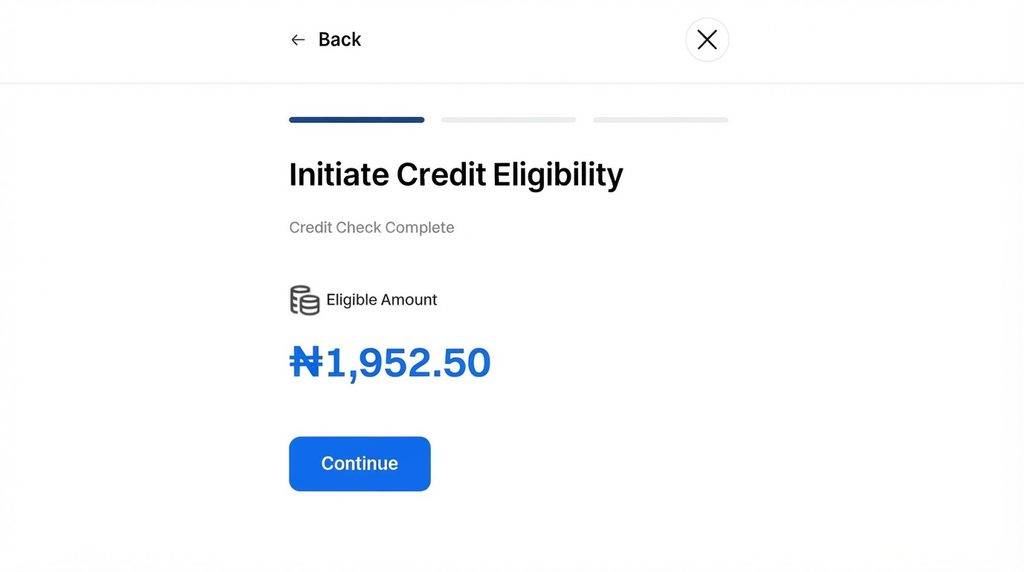
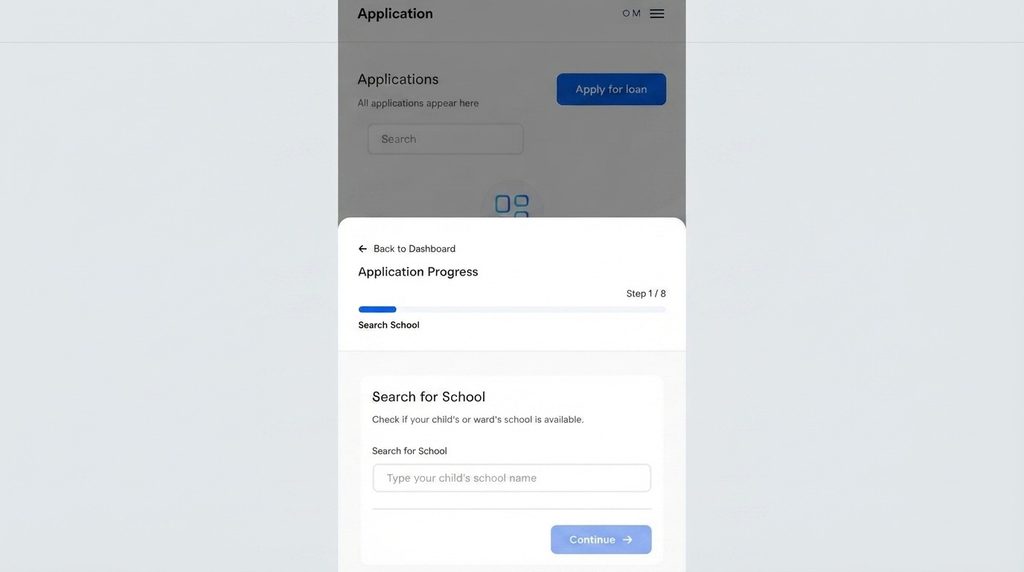
At a high level, the process is straightforward. You apply and provide your child’s and school’s details. Edubanc runs eligibility checks and verifies the school and fees information. Once approved, the school fees are paid directly to the school, and you begin repaying according to the schedule you agreed to.
We won’t go too deep into the mechanics here since there’s already a dedicated guide that walks through how the EdPay school fees application works step by step, if you’d like the fuller picture.
Can I Get a School Fees Loan If My Child’s School Isn’t Registered With the Lender?
Yes, you can.
A common worry among parents is that their child’s school needs to already be on a lender’s list before financing is even possible. With Edpay, that’s not a barrier. You can start your application even if your child’s school hasn’t been onboarded with Edubanc before. You simply provide the school’s information as part of your application, and the necessary verification is handled from there.
In other words, an unfamiliar or newly listed school shouldn’t stop you from applying.
Apply for Edpay tuition financing here
Paying School Fees for Two or More Children
Here’s where the math gets heavier for a lot of households. One child’s fees might feel manageable on their own, but when two or three children resume around the same period, those individual amounts stack into a single, much larger lump sum.
Picture a parent with three children, each owing a moderate amount in fees. Individually, each figure looks workable. Added together and due within days of each other, that total can rival a month’s rent or more.
Planning ahead helps. Budgeting for the resumption period well before it arrives, prioritising which payments are most time sensitive, and being honest about what cash is actually available all go a long way. Where the combined school fees payment still outpaces what’s on hand, school fees financing becomes a practical way to cover the total upfront while spreading the school fees loan repayment across a period that suits the household.
EdPay School Fees Financing vs Personal Loans: Which Makes More Sense?
Both can get you to the same immediate goal, paying the school on time, but they’re built for different things.
A personal loan is typically multipurpose. It can go toward fees, but it can just as easily go toward rent, a car repair, or anything else, and the lender generally isn’t structuring the product around education. Edpay, on the other hand, is purpose built for school related payments. The funds are directed specifically at the approved school fees, and the payment goes straight to the school rather than through the parent.
A few points worth comparing:
- Purpose. Personal loans serve general needs. Edpay is built specifically around school fees.
- How funds are used. A personal loan gives you flexibility to spend as needed. Edpay is tied to the fees amount you applied for.
- Payment to the school. With Edpay, the school is paid directly. With a personal loan, you typically pay the school yourself after receiving the funds.
- Repayment structure. Both involve repayment over time, though terms vary by lender and product.
- Convenience for school fees is needed specifically. Edpay removes the extra step of managing the payment yourself once the loan lands in your account.
Neither option is universally cheaper or better. It comes down to your circumstances. That said, when the specific need is education fees, purpose built financing like Edpay tends to fit the situation more naturally than a general purpose loan. You can explore Edpay school fees financing to see if it fits yours.
Looking for a Back-to-School Loan? What to Check Before You Apply
If you’ve been searching for a back-to-school loan, a few things are worth reviewing before you submit any application, regardless of which lender you choose.
- Amount required. Know the exact figure the school expects, not an estimate.
- Repayment affordability. Be realistic about what you can comfortably repay each period without straining other expenses.
- Bank statement and NIN. Most lenders will ask for these as part of verifying your identity and financial standing.
- Eligibility. Check the lender’s basic requirements before applying, so there are no surprises.
- School admin details and invoice for verification. Have your child’s school information and the fees invoice ready, since this speeds up verification.
- Repayment period and terms. Understand how long you’ll be repaying and under what terms before you commit.
Going in prepared makes the whole process faster and reduces the chances of delays once you apply.
How to Apply for School Fees Financing With Edpay
If school fees financing sounds like the right fit for your situation, applying is the next step.
Apply for School Fees Financing
School fees don’t have to become one overwhelming cash-flow moment, even when the full amount isn’t available right away. With a bit of planning, a realistic look at what you can afford, and a school fees financing option like EdPay when it makes sense, you can meet the payment on time without draining every other part of your budget.
With Edpay
Choose the repayment path that fits your household, and let your child’s resumption stay one less thing to worry about.